A successful trial and a repeatable build are different
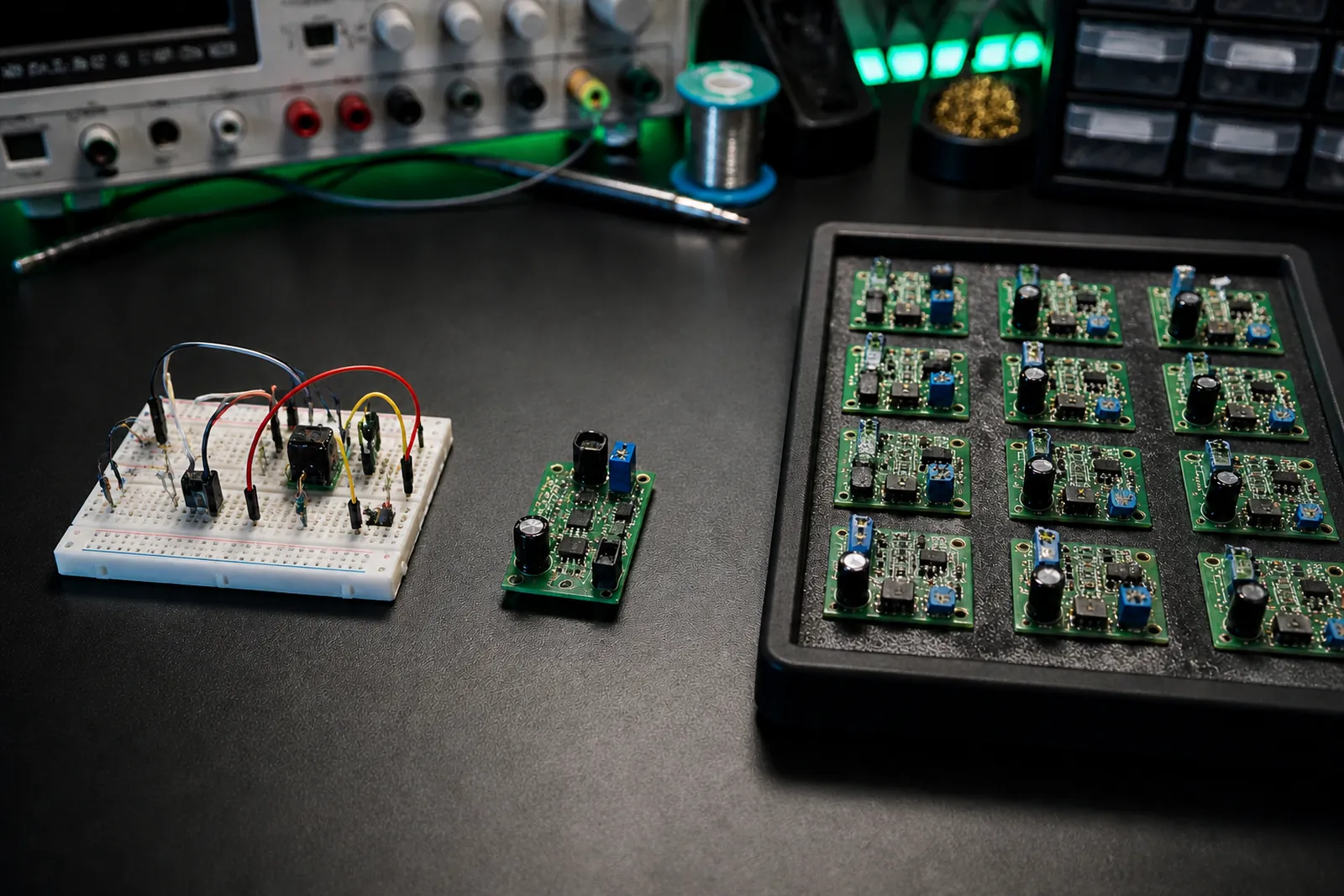
A working prototype demonstrates selected behaviour under the conditions examined. A batch also needs instructions for reproducing that state on additional units. The step between them is organised engineering knowledge. Manual corrections and trial settings cannot remain only on the first physical device or in the developer’s memory if another person is expected to repeat the result.
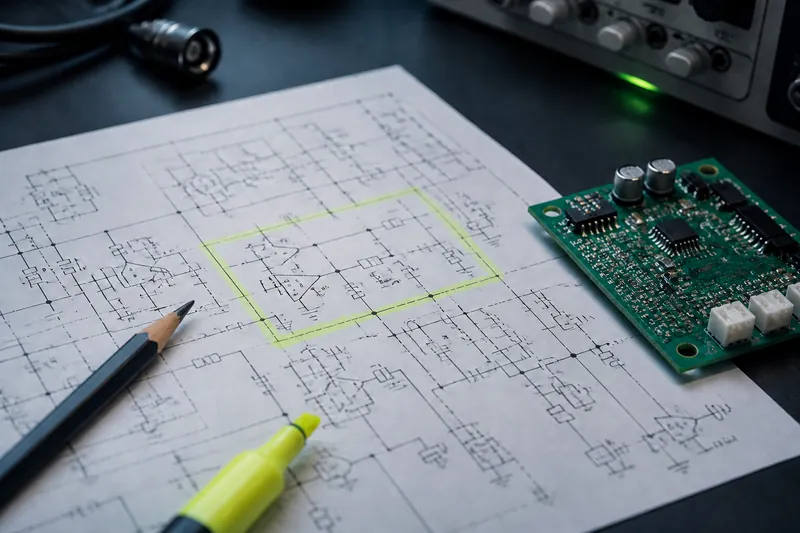
Consider a logger that measures and transmits correctly after its sensor connection and setup were changed during trials. The initial drawing no longer describes that successful state. Building another unit from it can restore an already solved problem. This is a general development example, not an account of an invented customer project.
Identify the actual validated setup first: board revision, fitted components and software. Connect that answer with sources and notes. Only then can the preparation needed for repetition be assessed against a meaningful baseline rather than the apparent completeness of the demonstration unit.
Closing the design and returning modifications to sources
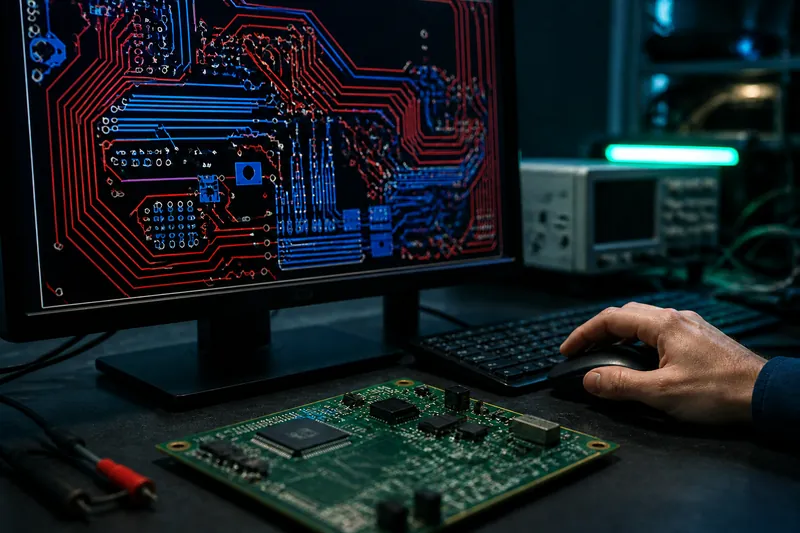
Compare schematic, layout and firmware with the physical prototype. A temporary connection may represent a valid final change, but it still needs incorporating into the design. Generate new exports from the updated sources and retain earlier releases for traceability. Revision identifiers show which state is authorised as the basis for the next build.
Successful main functions should not obscure unanswered questions. List untested behaviour, unknown environmental conditions and features still likely to change. Decide their treatment before ordering the batch. Deferring a function is reasonable when its exclusion from the current release is clear and the documentation describes that choice consistently.
Dimensions and connectors need review on the same setup. Enclosures, wiring and mounting can affect assembly and sensor position. Mechanical and electrical records should not describe two different prototype states even if both versions were individually successful during development.
Components, variants and partner instructions
Batch work needs exact parts and matching placement information. Review alternatives technically and document accepted substitutions. Components fitting the same footprint can differ in properties affecting measurements or software. Sourcing decisions therefore remain connected to engineering rather than being treated solely as purchasing administration.
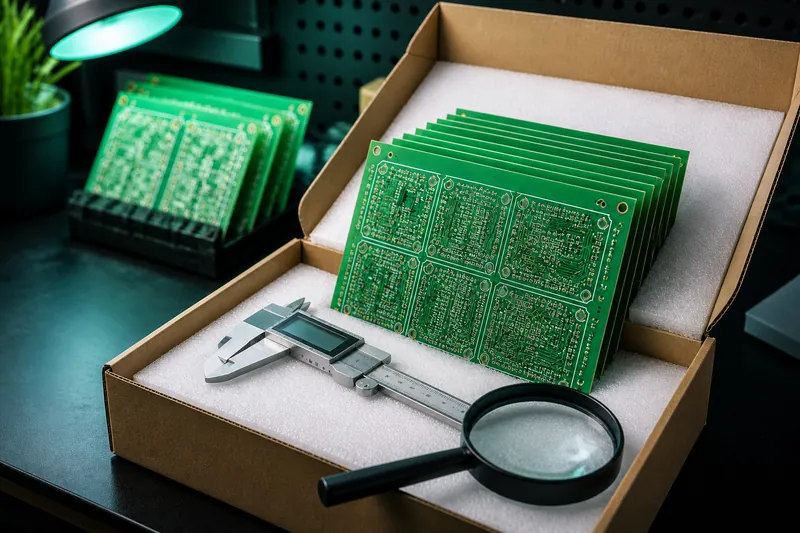
The package includes board geometry, BOM, CPL and assembly drawings. Define the expected completion state: what is assembled, programmed and checked by the partner? Steps performed elsewhere need clear handover points. Responsibilities should be established before production rather than inferred after hardware arrives with an incomplete function or undocumented setting.
At pcbform, external partners exclusively fabricate boards and assemble components. We coordinate the technical package and revisions, then examine results against agreed criteria. Partner selection follows construction and quantity, with production queries returned to the relevant design decisions before changes are accepted.
Firmware releases and device setup
Repeatable programming needs an identifiable software package. Record sources, build basis, loading method and settings. Local setup changes should not remain invisible. If the software uses unit-specific parameters, distinguish those from the common code so the meaning of a program revision stays clear across different devices.
A display controller, for example, may share software while carrying different operating settings. Tests need to identify the setup they assess. Investigations also benefit when device state can be traced to named hardware and software. This does not require a complicated system, but it does require consistent records and a deliberate distinction between code and data.
Later updates need review of affected existing functions. A new communication task can alter resources or operating sequence. Associate the release with relevant checks and compatible hardware variants so its use is understandable rather than assumed safe for every device that happens to accept the image.
Repeatable functional verification
A test procedure describes inputs, connections, steps and acceptance criteria. “Check that it works” is insufficient instruction for another operator. Sensor devices may need validity, storage and transmission examined. Controllers may need startup and fault behaviour checked alongside their normal output function, depending on the application.
Consider access inside the final enclosure. If programming or test points require disassembly, that affects build sequence. Planning access into the PCB is preferable to improvising it later. Results should be associated with an examined unit or setup so they remain useful when another build or software release is compared.
Separate functional inspection from additional product assessments. A small batch does not automatically provide certification. Intended use and distribution determine further documentation and evaluation needs. Recording that boundary helps explain the evidence available from the batch and what still needs to be addressed before wider deployment.
Handover and learning from the batch
Delivery records should identify what was built and which checks were performed. Revision lists and test notes matter alongside the physical units. Agree editable design and firmware source delivery beforehand so the basis available for another modification is clear instead of being discovered only when development needs to resume.
Application feedback may introduce another requirement. A different connector, indicator or data message can affect hardware, mechanics, software and tests together. Keep the new release distinct from an earlier order while retaining the reason for the change. That lets later work understand the development path without confusing old instructions with current requirements.
The sequence is to identify the tested state, close the sources, agree sourcing and assembly, then define consistent checks. The next partner order can use that foundation. The objective is deliberate repetition of understood behaviour, supported by documentation maintained alongside practical findings rather than a larger quantity of loosely described prototypes.