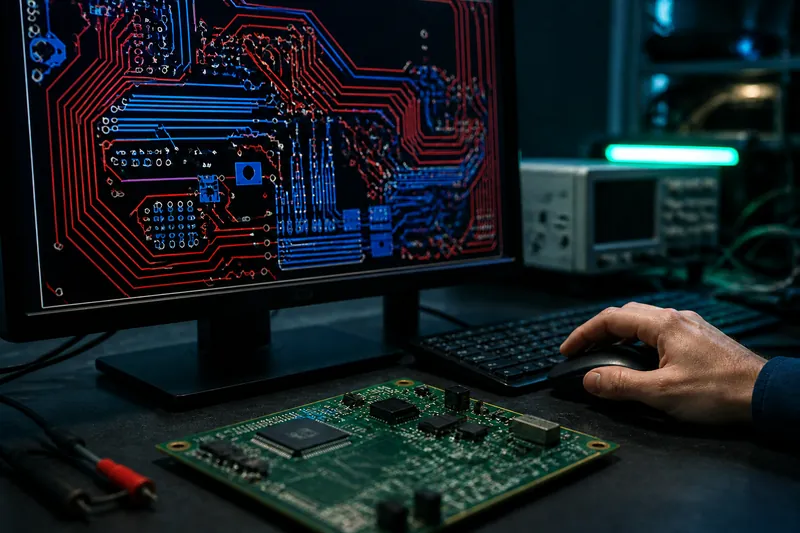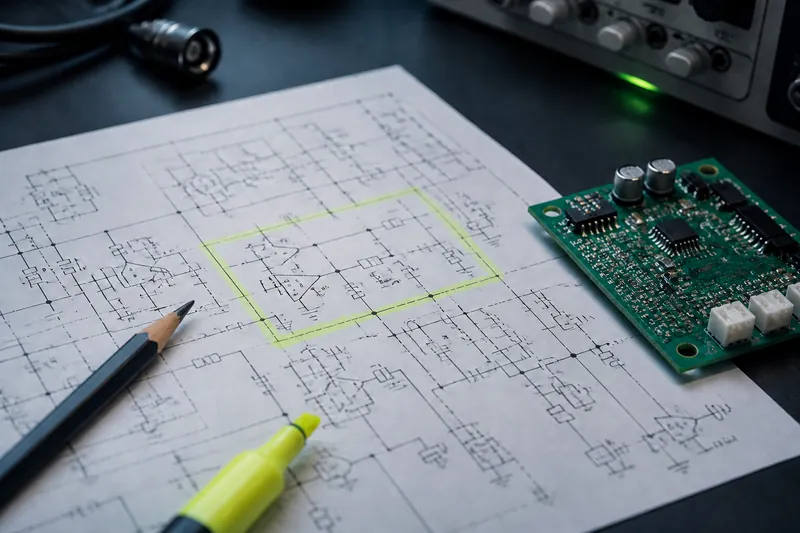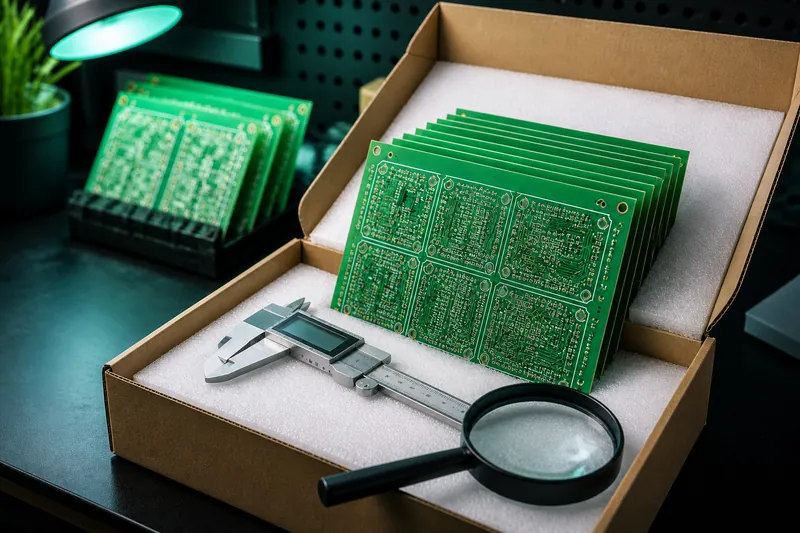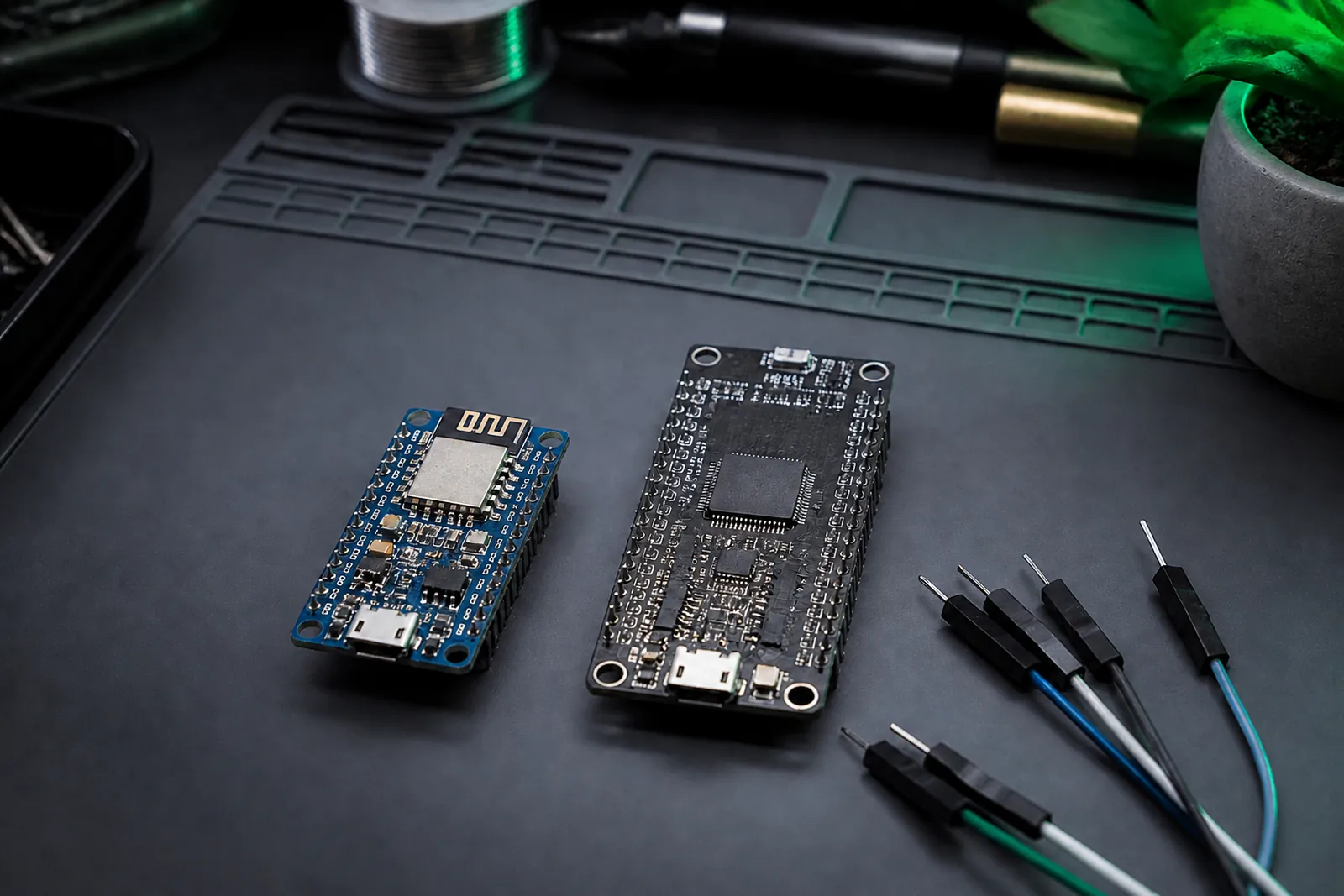
Turn the task into requirements first
“ESP32 or STM32?” does not provide enough context for a useful choice. A connected sensor, display terminal and peripheral controller can require different resources. List inputs, outputs, communication and expected operating situations. A platform becomes meaningful when it can be compared with the work it needs to perform rather than ranked as a name on its own.
Separate a required function from a familiar implementation. Sending measurements over WiFi is a requirement; naming a particular board proposes one way to fulfil it. Distinguishing the two allows other suitable variants to be considered. The same applies to displays, sensors and storage, which may introduce constraints absent from an initial controller comparison.
Environment, power and intended quantity belong in the starting information. Consider budget for the complete device, including connectors, drivers and mechanical construction. The controller is only one component in the system that must ultimately be assembled, programmed and tested.
Chip, module and development board are different
A platform name can refer to several concrete devices. A chip needs supporting circuitry; a module may include part of it. A development board can add connectors, power and programming facilities. Family names alone therefore cannot establish dimensions, exposed pins or every available function. The exact variant matters to the decision.
Review the selected device’s documentation and the board schematic. A physically accessible pin may already serve an onboard feature. Startup functions and electrical levels matter too. Pin planning must follow the complete design rather than simply counting contacts on a header and assuming all can be used independently.
A development board may provide a convenient prototype foundation. The later product might use a module on a carrier or a controller integrated directly on a custom PCB. Its final construction does not follow automatically from the hardware used to try the first software version.
Evaluate communication and peripherals together
For wireless transmission, check support in the exact selected device and any additional circuitry required. Family names do not imply identical capability across variants. Sensor interfaces and local control resources need consideration alongside the network. Functions that work in separate examples may conflict when combined in the same program and pin allocation.
Wired peripherals require suitable levels, timing and cabling as well as enough connections. Bringing a display, motor controller and sensor together is more than combining demonstration programs. Hardware and firmware responsibilities need a coordinated plan, particularly where buses or pins are shared between functions.
A temperature logger with a display provides a practical example. Measurement, display updates and transmission may all matter, but they need not have equal priority. The behaviour description establishes which work must continue when network access disappears and which information can wait for the connection to return.
Power, startup and installation
Evaluate power for the complete assembly. Indicators, interface circuits and regulators on a development board contribute alongside the controller and sensors. A favourable chip datasheet mode does not describe the finished board automatically. Use the application’s operating cycle and actual hardware when discussing whether the power arrangement suits the intended use.
Startup behaviour is another selection factor. When should the display become available, what should outputs do and how are missing settings handled? Supply changes and restarts need a defined response in the software plan. The selected hardware and external interfaces must support that behaviour together.
The environment can determine connectors, protection and enclosure needs. Controller choice is one decision within that system. Consider the finished device and its installation rather than only the familiar appearance of a development board working on a desk under convenient laboratory conditions.
Development environment and useful source delivery
The software environment should suit the task and future handover. Sources need an identifiable build with traceable dependencies. Example code can provide a starting point, but error handling, setup and documentation for the finished device require additional work. Library choices can also affect which hardware resources remain available for other functions.
For existing software, retaining a known and tested environment can be a valid consideration. Sources and actual requirements are reviewed before recommending a platform change. Migration requires peripheral, timing and setup checks again, even when the main program appears portable between controllers.
Handover can include build and upload instructions plus identification of the tested hardware. Those records let another developer understand the baseline. Source usage terms and maintenance scope should be discussed beforehand so the chosen platform remains practical after the initial prototype is delivered and begins to evolve.
Targeted trials and a custom-board revision
If several options appear suitable, try the uncertain part deliberately. A complete device is not always needed: sensor, communication or peripheral-group trials can answer important questions. Record conditions and findings so the eventual choice can be related to requirements rather than based on an unexplained impression of which example was easiest to run.
An approved platform can then support a custom schematic and PCB. pcbform uses production partners for fabrication and component assembly, followed by bring-up and testing with the corresponding program. Behaviour demonstrated on the original development board needs verification on the new physical setup as well.
The objective is not a universal winner. Exact variants, peripherals, power and future development are evaluated together. RP2040 or another suitable foundation can also be considered when requirements justify it. The application guides the decision, and the reasoning should remain understandable when the prototype later becomes a maintained device or a repeatable product.